Industries / Law firms / Website design

Website design for law firms that earns the call.

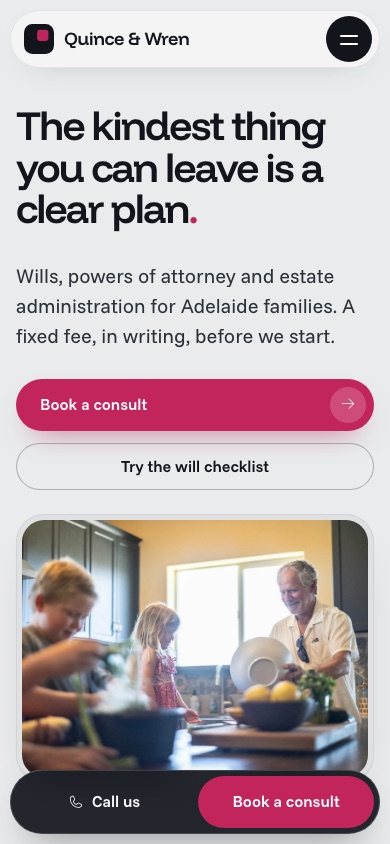
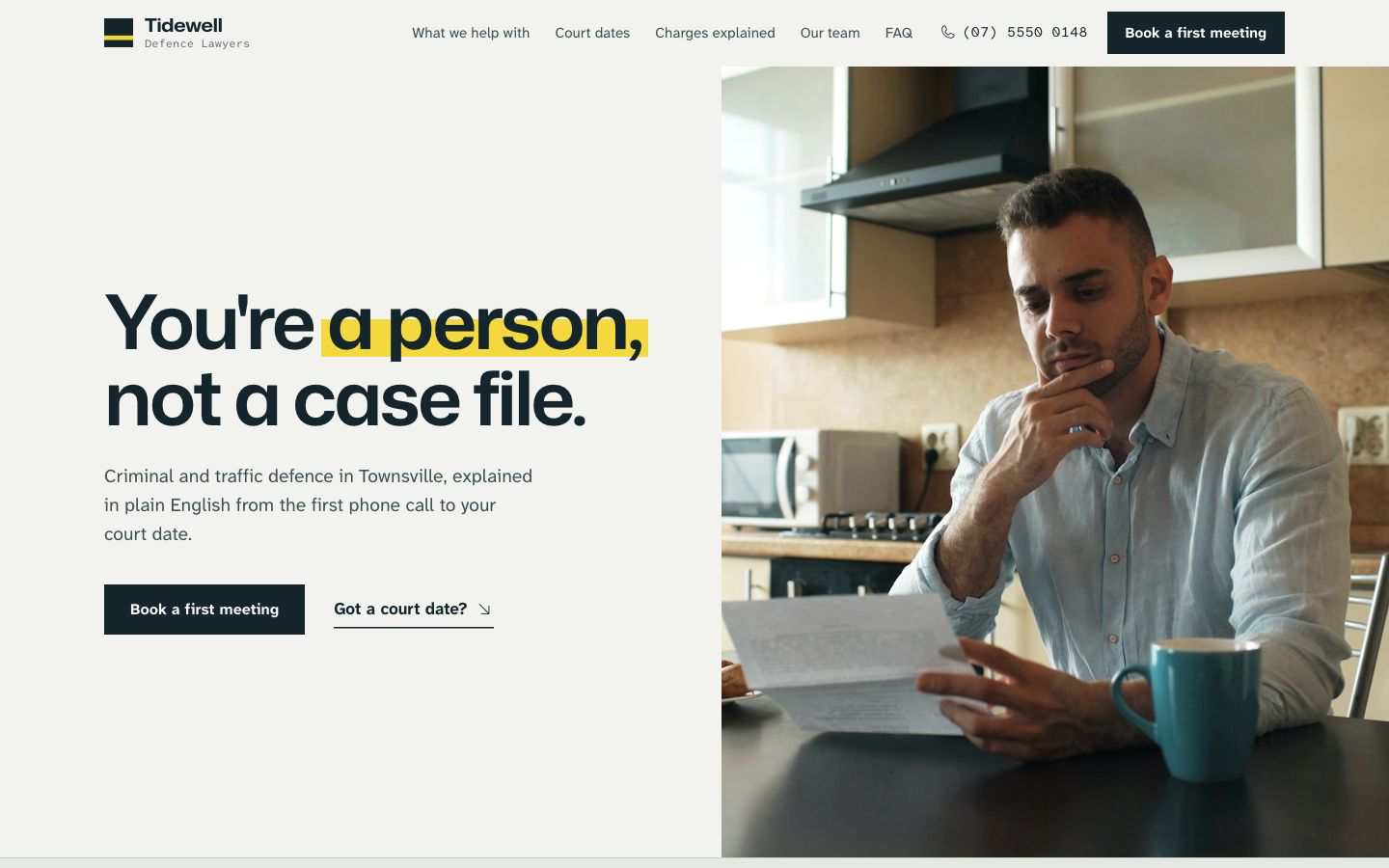
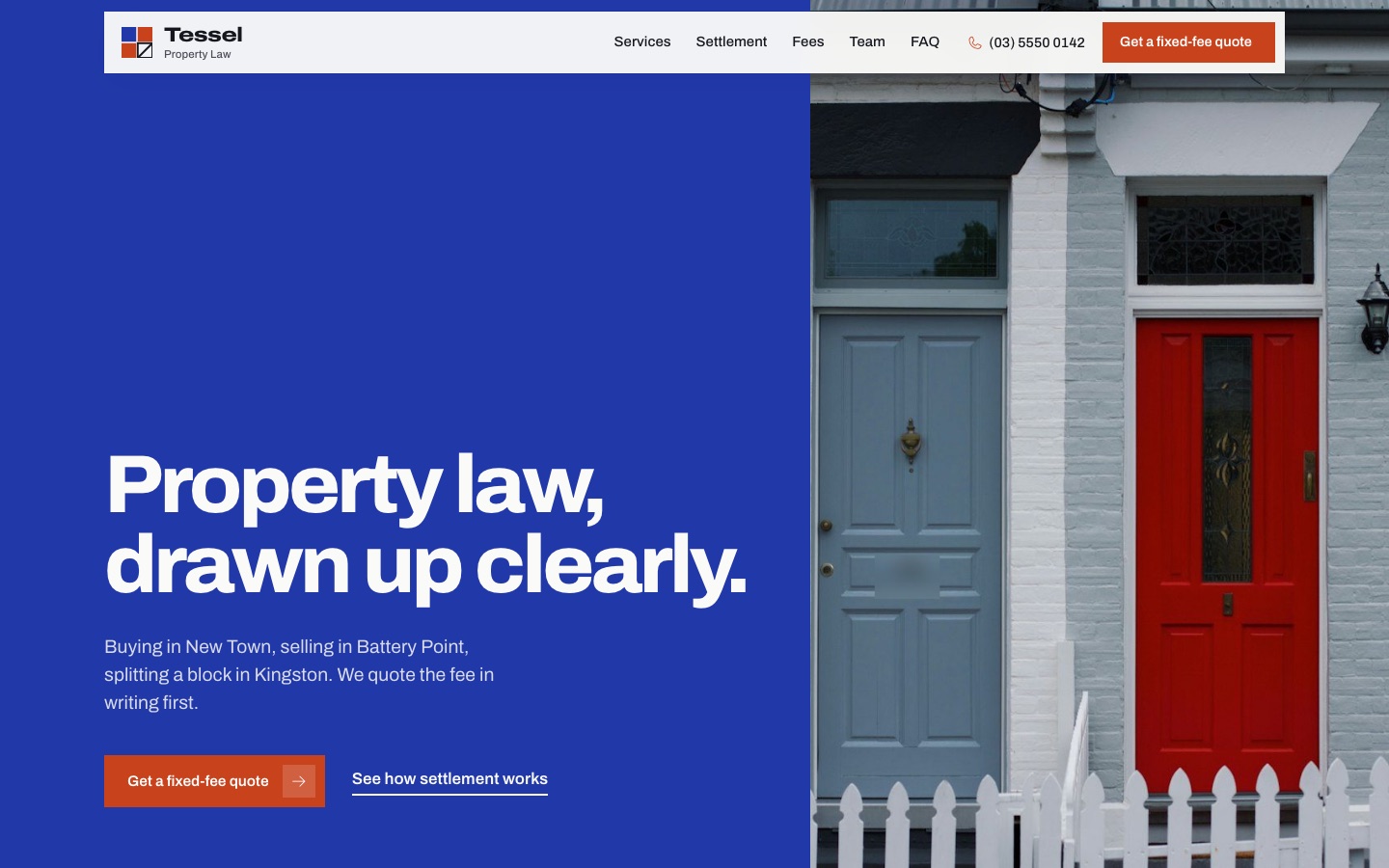
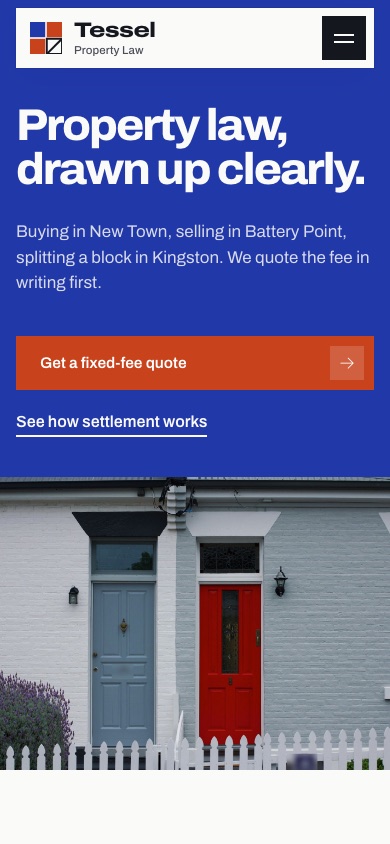
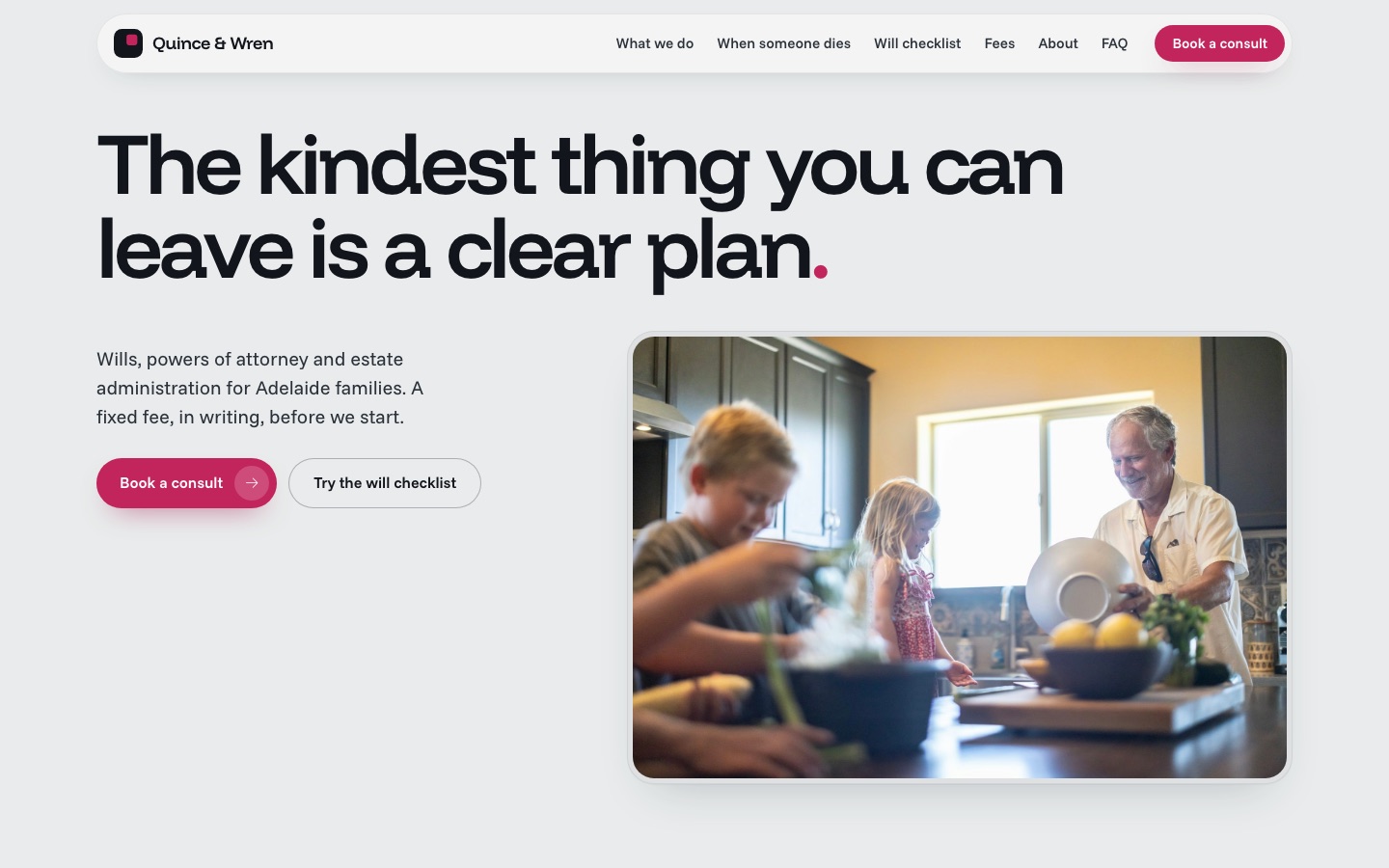
A law firm's site has two tasks. Put a person with a legal problem in touch with the right solicitor fast, and hand the firm a tidy enquiry it can run a conflict check on. We design around practice areas, how urgent the client is, and the professional rules you already follow.

Hands typing on a laptop while a website is built

Two visitors, one evening

Legal clients don't arrive in the same state

One visitor's brother was arrested an hour ago and faces court tomorrow. The second is sketching out a will with a cuppa, weighing up three firms. A site that greets them identically lets both down.

The urgent matter

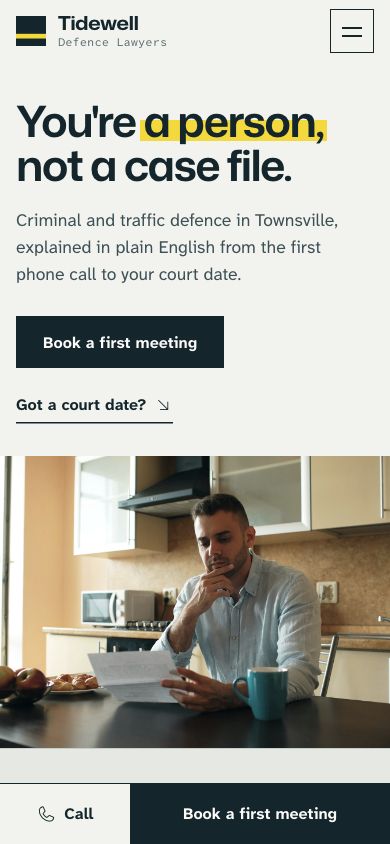
On a phone, rattled, wanting a human. They need a number to tap, clear after-hours details and proof you handle their kind of problem. Any friction sends them straight back to the search results.

The considered matter

Probably on a laptop, reading carefully and deciding who feels right. They want to understand the process, meet the people involved and see how fees are worked out. They'd rather fill in a brief form than ring.

The typical firm site is a brochure about the firm itself. Ours are arranged around what each kind of client needs to do next.

A strong firm, let down by its website

The usual culprits
  • All practice areas crammed onto a single "Services" page
  • On mobile, the phone number hides down in the footer
  • A big empty box inviting people to explain their whole matter
  • The domain still registered to a past web developer instead of the firm

The shape of a law firm website we build

By practice area and by client journey
01

A home for each practice area

Employment, commercial, conveyancing, wills and estates, criminal and family law each get a page covering what you do, how the process tends to run, who handles it and how to get in touch.

Why it matters: clients search for their problem rather than your name, and a focused page gives Google something precise to rank.

02

Fast lanes for urgent matters

On criminal pages and other time-critical areas, your phone number leads the page and follows the visitor down the screen on mobile, and it's obvious what happens outside office hours.

Why it matters: an urgent client goes with whoever answers first.

03

Profiles people can size up

Genuine photos, admission details, areas of focus, which courts they attend, memberships, and accreditations only where they're really held, all linked to the matching practice pages.

Why it matters: people hire a person. A good profile answers "who will I actually deal with?" before it's asked.

04

Reassurance beside the button

Law society membership, how you charge, where your offices are and reviews where the rules permit, placed next to the form and phone number rather than tucked away on an About page.

Why it matters: doubt peaks at the moment of contact, so that's where the reassurance belongs.

Enquiry forms built for intake

What the firm needs, and nothing more

Matter type first

Every form starts with a short list of matter types, already selected on each practice page. Enquiries reach the right solicitor, and reports show which practice areas the site is generating work for.

Enough for a conflict check

Before checking for conflicts, a firm usually only needs to know who's enquiring, how to reach them, what sort of matter it is and who's on the other side. The form asks for exactly that, with no open box for the full story and a clear note not to share confidential details yet. Live chat and booking tools follow the same limits, or we leave them off.

Privacy in plain words

Forms are encrypted in transit, carry a brief collection notice and point to your privacy policy. If the Australian Privacy Principles (APPs) cover your firm, the site is set up to support how you comply. Privacy and professional duties stay with the firm, so we work from your policy and leave the legal positions to you.

A lawyer working through documents at a table

Copy that stays inside the conduct rules

Your website is advertising, so the legal advertising rules reach every page. That means no misleading claims, caution around words like "specialist" and "expert", and care whenever past results are mentioned.

We explain processes and options in plain English and never promise how a matter will turn out. One of your solicitors approves each page before launch, since accuracy and compliance in your jurisdiction rest with the firm. The legal advertising rules summary has more.

Quick, accessible and owned by you

How the site is built

Speed

Lean code, compressed images and no plugin clutter, tested against Google's Core Web Vitals on a mobile connection. Slow pages lose urgent clients first.

Phone first

Readable text, generous tap targets and a call button always in reach on urgent pages, because the most urgent clients are rarely at a desk.

Accessibility

Built towards the Web Content Accessibility Guidelines (WCAG): contrast, heading order, labelled fields, keyboard access and image descriptions.

Your domain, your logins

The domain is registered to your firm, and the firm holds administrator access to the site and hosting. If we part ways, everything stays with you.

Redirects on a rebuild

Every existing page is mapped to its new home with permanent redirects, and Google Search Console is checked after launch.

Tracking by matter type

Calls, forms and click-to-call taps recorded per practice area, so you can see which pages bring in work.

A base your search and ads can build on

Organic search starts with the site. Each practice page is a target Google can rank, solicitor profiles supply the credibility Google expects from legal content, and the technical groundwork underneath makes the whole site easy for Google to read. More in SEO for law firms.

The same pages double as ad landing pages: a family law ad arrives on the family law page, with calls and forms tracked by matter type. That's covered in Google Ads for law firms, and the full build process sits on our website design page.

+160%

website visitors month on month.

That's from a trade client, not a law firm: an off-grid solar electrical business that came to us for a fresh website and socials. It also saw +323% Google Business Profile views. On the legal side, our Darwin law firm work is Google Ads and search, not a website build. Read the solar case study →

Law firm website questions

What does a good law firm website need?

Individual practice area pages, a profile for every solicitor, a phone number that dials in one tap on mobile, a form that asks for the matter type, an explanation of how fees work, a privacy policy with a collection notice, and your office locations. Firms taking urgent matters also need clear after-hours details.

Will a rebuild cost us our Google rankings?

It shouldn't, provided the move is managed. Before launch we list every current page, decide where each belongs and set up permanent redirects. Content that already ranks is kept, and Google Search Console is checked afterwards for anything that slipped through.

Who writes the practice area pages?

We draft them after talking with your solicitors, written in plain English for clients rather than for other lawyers. Before anything is published, one of your solicitors confirms it's accurate and within the conduct rules.

Do we own the website and the domain?

Yes. The domain is in your firm's name and the firm holds administrator access to the site and hosting. Because we build inside accounts you already control, switching agencies later means no handover at all.

What does a law firm website cost?

That hangs on how many practice areas and profiles you need, who writes the content, whether an old site has to be migrated and whether it connects to intake or practice management software. We'd rather scope it in your free marketing review than quote a number that doesn't fit.

How will we know the new site is working?

Every call, form and click-to-call tap is logged against its practice area. That shows which pages generate enquiries, what kinds of matters are arriving, and whether search and ad visitors are turning into work.

Can you add live chat or online booking?

Yes, if it suits how your firm takes on matters. Either tool gets the same limits as the enquiry form, collecting only what a conflict check needs. If a tool can't be set up that way, we'll recommend leaving it off.

Stackt

What's missing from your stack?

We'll go through your ads, website and socials, see who you're up against and how much room there is to grow, then show you the layer we'd fix first. No pitch deck, no hard sell.

Redeem your free marketing review →