Industries / Construction marketing

Construction marketing that gets you on the shortlist

Built for commercial builders, civil and earthworks crews, fit-out firms and multi-residential builders. Your clients pick contractors on past projects, safety record and capacity, and then they go online to confirm it. We make sure what they find backs you up.

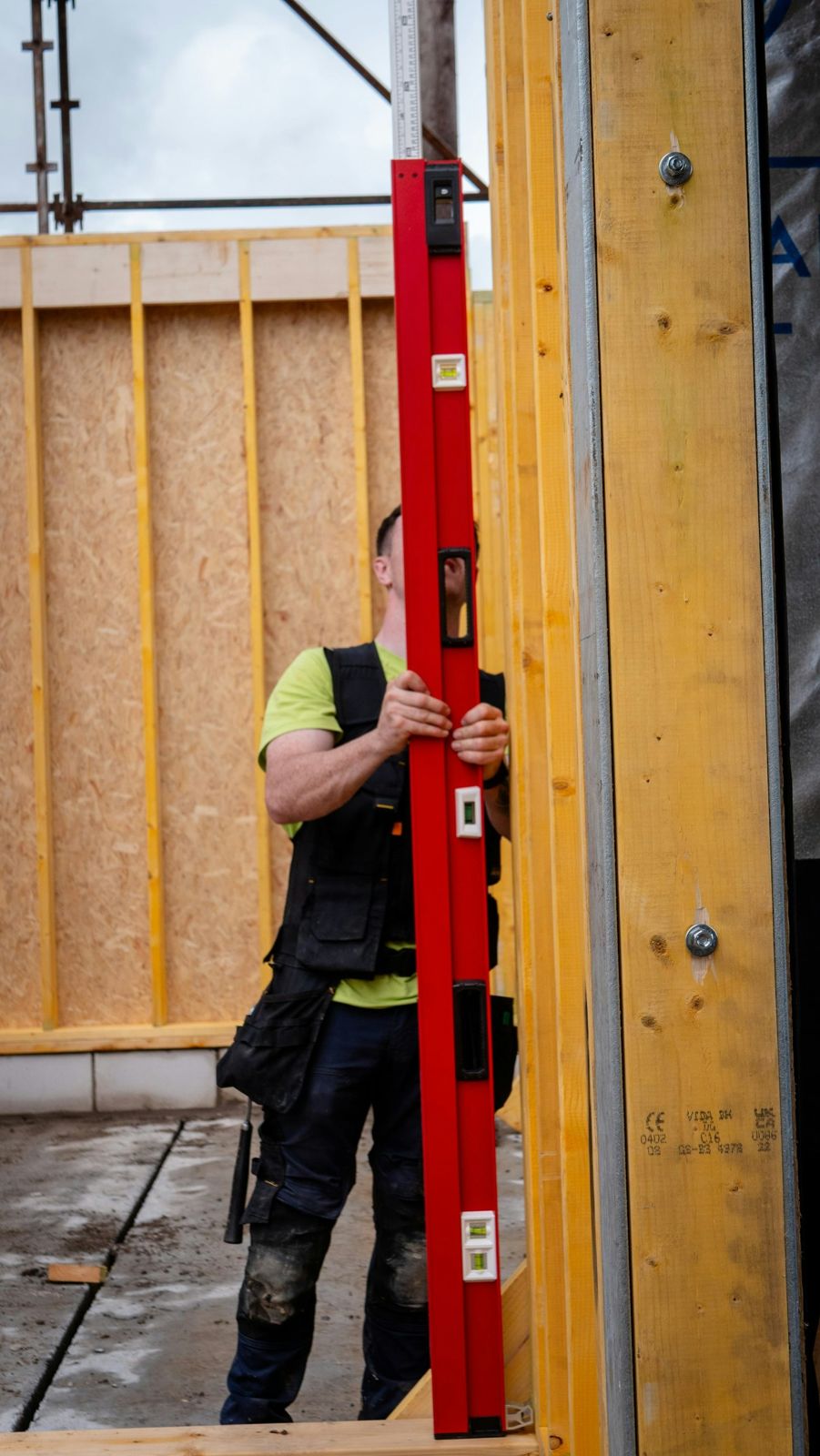
A carpenter checking a timber frame with a spirit level

How commercial work finds you

Four routes, often at once

Hardly any shortlist begins with a Google search, yet almost all of them are verified there. Homeowners search, skim a few websites and pick up the phone. Developers, head contractors and facilities managers source contractors through the routes below, often several at once.

Search

A few searches are cold, like a project manager in unfamiliar territory who needs a fit-out or civil firm. Most are warm: someone saw your name on a tender list or heard it from a colleague and wants to look at your jobs. The result of that look keeps you in or drops you out.

Prequalification panels

Bigger clients tend to invite only firms already registered on their panel or supplier system. Registration is paperwork rather than marketing, but evaluators still open your website and capability statement, and a mismatch between them gets noticed.

Referrals and repeat clients

The main source of work for most contractors. Architects, engineers, quantity surveyors and former clients recommend you. No campaign replaces that, though good marketing keeps your name fresh in the months between projects.

LinkedIn

Decision makers on commercial jobs are there, along with the consultants who advise them. A company page that went quiet years ago sends a signal nobody intended.

That makes construction marketing a credibility exercise at every checkpoint, not a numbers game. Building homes rather than commercial jobs? Marketing for builders suits you better.

A website that does the pre-qualifying

Projects before slogans

Commercial visitors want one answer: has this firm done a job like ours before? A banner slideshow and a list of services leave that unanswered. The pages below answer it.

Project pages with genuine scope

One page for each major job: who the client was, the sector, your scope, how it was delivered (design and construct, construct only, or early contractor involvement), the site constraints you handled, and quality photos. Only publish a contract value or value band if it's correct and the client is comfortable with it. A precise scope beats a hazy "multi-million dollar" claim.

A page for each sector

Industrial, education, multi-residential, civil works, retail fit-out. Give every sector you really operate in its own page and fill it with matching projects. A client planning a warehouse is looking for warehouses.

Accreditations, kept current

Procurement teams give real weight to certified quality, safety and environmental systems, for example International Organization for Standardization (ISO) 9001, 45001 and 14001. Display only current certificates, say who issued them and pull any that expire. Being "in progress" isn't the same as holding the certificate, and an evaluator who discovers the difference will question the rest of your claims.

A capability statement in step with the site

Capability statements get attached to tenders and passed between people you'll never meet. Offer the latest version as a download, listing the same projects, sectors and accreditations your site does. We write and design the pair so they never contradict each other.

Of everything in a website build for a contractor, the project library earns its keep most.

Organic search

Construction SEO: rare searches, large contracts.

Search engine optimisation (SEO) works differently for a commercial contractor than for a local plumber. Commercial construction searches are uncommon, but a single one can become a job that keeps a crew on site for twelve months. That changes which rankings are worth chasing.

  • Found for the work you actually do. You show up when clients look for your kind of contractor in the regions you cover, and nowhere you'd have to turn the job down. Pages for work you don't do only bring enquiries you can't take, and they read as filler.
  • Projects as content. Skip the industry-trends blog. A properly written project page is a real job in a real suburb and sector, and it can rank for both while doing the selling once someone lands.
  • Your company name. Many commercial visitors search your name straight after seeing it on a tender list. When they do, they find your own site and profiles first, all telling the same story.

Our search page covers the technical groundwork.

Project planning board with schedules and site notes

Google Ads for construction: narrow on purpose

Fewer clicks, better ones
01

Seen by people with a project

Your ads appear for the searches that point to real commercial work in the regions you cover, rather than for anyone typing "construction".

Why it matters: Each irrelevant click spends budget meant for the few searches that turn into tender invitations.

02

Job hunters kept off the bill

People looking for work, training or a weekend project don't get to spend your budget, and neither do homeowners wanting jobs you don't take on.

Why it matters: Construction ranks among the most searched job categories, so an unguarded account quietly funds recruitment traffic.

03

Enquiries that arrive qualified

Visitors land on work like theirs, and the enquiries that come through already tell you what the project is, where and when.

Why it matters: Estimators can separate real opportunities from idle enquiries before putting hours into a price.

04

Know when to hold off

When nearly every job comes via panels and returning clients, paid search may not justify itself. It earns its place when you're breaking into a new region or sector, or while organic visibility is still maturing.

Why it matters: Telling you to skip ads beats running a campaign that can never pay for itself.

Click prices vary with region, how many firms are bidding and how well the account is run. See our paid ads service for more.

Staying front of mind with LinkedIn and email

Remembered between jobs

LinkedIn

Share project milestones and handovers, new plant or capability, safety milestones and people news. The company page keeps the record, while posts by directors, project managers and estimators often reach further, since their contacts are the consultants and clients worth keeping close.

LinkedIn advertising can be aimed by job title, industry and location, handy for reaching developers or facility managers in a single region. Treat it as a top-up to regular posting, not a substitute.

Email

A brief update every so often to past clients, architects, engineers and the head contractors you've priced for: new completions, new capability, new regions. Keep it informative, not pushy.

The point is simple: when a suitable job comes up, you're who they think of. Only include people you actually work with, and give every recipient an easy way to unsubscribe, which the Spam Act 2003 requires.

Our social, photo and video service can plan and produce it for you.

Measuring it

Track which sources lead to tenders.

Visitor numbers on their own tell you very little. One commercial job could begin with a search, involve a LinkedIn post months afterwards and finally arrive as a tender invitation by email. What matters is which sources produce work you actually want to price.

  • Every enquiry and tender invitation has a known source, whether that was the website, a referral, a portal, LinkedIn or a returning client.
  • Calls and forms from the website are counted without anyone in the office having to remember to note them.
  • You see which of those became submitted, won or lost tenders. A few quarters in, the pattern shows which channels deliver work worth quoting, and spending can shift to match.

See what that looks like on our reporting page.

A side benefit

The same work helps you hire.

Strong supervisors, plant operators and project managers are hard to find and can pick their employer. They vet companies the way clients vet contractors. Project pages preview the work, a lively LinkedIn signals a busy firm, and a careers page listing open roles gives them a way in.

Realistic timing for commercial marketing

No overnight wins

Commercial contracts are awarded slowly, so anyone promising a wave of projects in the first month is guessing. Here's the order things tend to happen in.

1

Foundations

Tracking installed, the site reorganised by project and sector, with the capability statement updated to match. The biggest variable is how many jobs still need a write-up and photos.

2

Visibility

Paid search can start producing enquiries shortly after launch. Organic search is slower because Google has to discover and trust new pages, with competitive commercial terms in capital cities slowest of all. LinkedIn rewards steady posting over bursts.

3

Work

Enquiries turn into tenders, tenders get evaluated, and work begins months afterwards. Measure the early marketing by the calibre of opportunities it brings. Revenue arrives on the sales cycle you already have.

Your free marketing review looks at your website, search results and LinkedIn through a procurement officer's eyes and tells you straight what would shift their opinion. Plans are month to month, with no minimum term.

Construction marketing questions

How does construction marketing differ from marketing a home builder?

A home builder is persuading a family making a personal decision, usually via search, reviews and social media. A commercial contractor is persuading companies, developers and head contractors who compare past projects, safety systems and capacity, mostly through tenders, panels and word of mouth. That changes the website, the keywords and the channels. If you build homes, head to our builder marketing page.

What does a construction marketing agency do for a commercial contractor?

Mainly credibility work. A website led by projects, a capability statement that matches it, search visibility for your services and regions, a small, tightly managed Google Ads account where it's justified, regular LinkedIn activity, and tracking that ties each source to the tenders it produced. It supports your business development people; it doesn't replace them.

Should we publish project values?

Only if the figure is accurate and you're allowed to share it. Plenty of contracts carry confidentiality clauses, and some clients would rather keep numbers private. An approved value or band helps prospects judge your capacity. Without one, a plain account of the scope, the sector and how the job was delivered is enough, and carries less risk.

What does marketing for a construction company cost?

That depends on how much website work is needed, how many projects must be written up and photographed, which regions and sectors you're going after, and whether paid search is worth running at all. Once we've done your free marketing review, we'll recommend a figure that fits your firm.

Will marketing guarantee more tender wins?

No. Tenders are won on track record, relationships, capacity, methodology and price, and marketing directly controls none of them. What it can do is get you found, make you look as capable as you really are when evaluators check, and show you where the genuine opportunities are coming from.

Is this relevant to specialist subcontractors?

Some of it. If most of your work comes from head contractors on commercial jobs, the sections on capability, LinkedIn and relationships apply. If homeowners or small businesses also hire you directly, the way those customers find you is covered on our marketing for tradies page.

Do you work with contractors outside Queensland?

Yes. We're on the Gold Coast, and our construction clients can be anywhere in Australia.
Stackt

What's missing from your stack?

We'll go through your ads, website and socials, see who you're up against and how much room there is to grow, then show you the layer we'd fix first. No pitch deck, no hard sell.

Redeem your free marketing review →